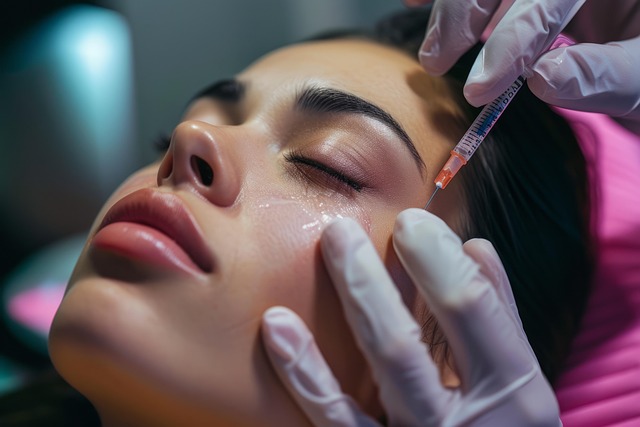
Cosmetic wart removal treatment naturally is a popular choice, but decision-making depends on severity and location. Combining topical treatments with specialist interventions yields better outcomes. While natural methods like essential oils show promise, clinical evidence varies, emphasizing the importance of consulting healthcare professionals for tailored guidance. Effective yet safe cosmetic wart removal balances efficacy, patient comfort, and minimal side effects, with professional advice crucial for optimal results.
Warts are a common skin concern, affecting people of all ages. Among the many options available for cosmetic wart removal treatment naturally, clinical strength treatments have emerged as effective solutions. However, with varying formulations and applications, choosing the right one can be daunting. This article provides an in-depth comparison of clinical-strength wart treatments, highlighting their active ingredients, application methods, and efficacy. By understanding the nuances of each option, you’ll be equipped to make informed decisions for safe and effective wart removal, enhancing your overall skin health and confidence.
- Understanding Common Wart Treatments: A Comprehensive Overview
- Exploring Natural Approaches for Cosmetic Wart Removal Treatment
- Evaluating Efficacy and Safety: Choosing the Best Wart Remedy
Understanding Common Wart Treatments: A Comprehensive Overview

When considering clinical strength wart treatments, it’s crucial to understand the diverse range of options available. Common approaches include topical creams, cryotherapy (freezing), and surgical excision. Among these, cosmetic wart removal treatment naturally has gained popularity for its non-invasive nature and minimal side effects. For instance, salicylic acid is a commonly used over-the-counter option that chemically dissolves warts over several weeks. However, for more persistent or extensive warts, specialist intervention may be required.
In the UK, reputable locations like private Wart Removal Bristol, private Wart Removal Cardiff, and private Wart Removal Exeter offer advanced treatments. These specialists often employ techniques such as laser therapy or immunotherapy to stimulate the body’s immune response against warts. For example, cryotherapy, while effective, involves freezing the wart with liquid nitrogen, potentially causing temporary discomfort and requiring multiple sessions. In contrast, laser treatment can be more precise, reducing side effects and often leading to faster recovery.
The choice of cosmetic wart removal treatment naturally or seeking specialist help depends on various factors, including wart severity, location, and personal preference. It’s essential to consult a healthcare professional who can provide tailored advice based on individual needs. Data from recent studies suggest that combining topical treatments with specialist interventions can significantly improve outcomes, emphasizing the value of a comprehensive approach to wart management. Ultimately, understanding these options empowers individuals to make informed decisions for effective and safe wart removal.
Exploring Natural Approaches for Cosmetic Wart Removal Treatment
When exploring cosmetic wart removal treatment naturally, it’s crucial to understand that while some methods show promise, scientific evidence varies widely. Topical applications of essential oils like tea tree oil and lavender have demonstrated antivirals properties in smaller studies, offering a potentially gentler alternative to prescription creams. For instance, a 2017 study published in The Journal of Alternative and Complementary Medicine found tea tree oil effective against common warts in over half of participants after six weeks. However, results can vary based on the individual and wart location; what works for one person near Cardiff or Liverpool might not yield the same success for another in Edinburgh.
Plant-based treatments, such as apple cider vinegar and banana peels, are also popular home remedies. Apple cider vinegar’s acetic acid is thought to soften and dissolve warts by breaking down keratin, a protein found in skin cells. Similarly, applying crushed banana peels, rich in potassium and manganese, may help reduce the appearance of warts due to their natural exfoliating properties. Yet, these methods lack robust clinical trials, making success rates less predictable compared to specialist-backed treatments.
While natural approaches can be appealing for cosmetic wart removal treatment, it’s essential to consult with a healthcare professional or dermatologist. They can offer expert advice tailored to the specific type and location of your warts, ensuring safety and efficacy. In cities like Cardiff, Liverpool, and Edinburgh, where specialized dermatology clinics are readily available, seeking help from wart removal specialists is straightforward. These experts can guide you through various options—from over-the-counter creams to in-office procedures—to determine the most suitable course of action for your needs.
Evaluating Efficacy and Safety: Choosing the Best Wart Remedy

When comparing clinical strength wart treatments, understanding efficacy and safety is paramount to choosing the best cosmetic wart removal treatment naturally. Studies have shown that topically applied treatments, such as salicylic acid and podophyllotoxin, are effective in removing warts. However, it’s crucial to consider side effects and patient comfort. For instance, while salicylic acid is generally well-tolerated, longer treatment durations may cause skin irritation or peeling.
In the context of private wart removal Exeter and Wart Removal Birmingham, many patients seek professional solutions without sacrificing natural approaches. Some alternative methods, like duct tape therapy, have gained popularity for their perceived gentleness. However, clinical trials comparing these to conventional treatments are limited, making it difficult to advocate for one as definitively superior. It’s essential to consult with a healthcare provider who can guide based on individual needs and preferences.
For example, a study published in the British Journal of Dermatology compared podophyllotoxin and salicylic acid gel for treatment of common warts. Results indicated that both were equally effective over a 12-week period, but patient satisfaction was higher with salicylic acid due to its ease of use and fewer side effects. This underscores the importance of balancing clinical efficacy with patient comfort when selecting a wart removal remedy. In cases where conventional treatments prove ineffective or too harsh, exploring private options like those available in Exeter or Birmingham could offer promising alternatives.
Ultimately, the best cosmetic wart removal treatment naturally is one that combines proven clinical effectiveness with minimal adverse effects and patient tolerance. By staying informed about the latest research and consulting with healthcare professionals, individuals can make informed decisions tailored to their specific needs, whether opting for traditional or private treatments like those offered in Exeter or Birmingham.
By thoroughly examining both conventional and natural approaches to cosmetic wart removal treatment, readers now possess a comprehensive toolkit for making informed decisions. Key takeaways include the recognition of common mistreatments and their potential side effects, the understanding that efficacy varies widely among remedies, and the validity of natural methods as viable alternatives for those seeking cosmetic wart removal without harsh chemicals. Moving forward, it’s crucial to weigh personal needs, tolerance for discomfort, and desired outcomes before selecting a treatment plan. This authoritative article empowers individuals to navigate the landscape of wart treatments with confidence, ensuring both effective and safe resolution of unsightly warts.