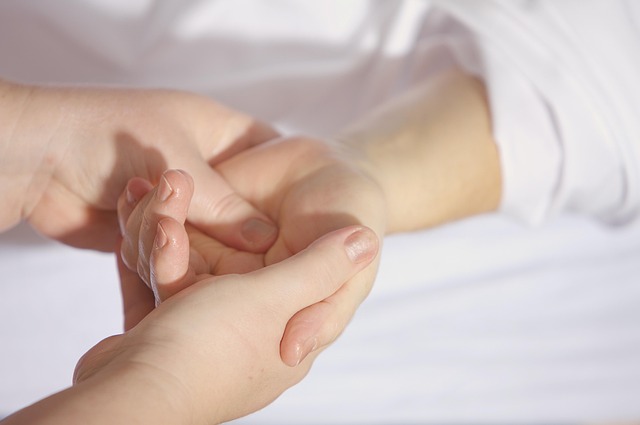
Wart types vary in treatment needs, influenced by geographical access to specialized care. Natural methods like essential oils and herbal extracts offer cost-effective, cosmetic wart removal treatments with clinical support. Over-the-counter salicylic acid and podophyllotoxin products are effective for home use. Advanced techniques like cryotherapy or laser are available through specialists in urban areas. Combining natural remedies, OTC products, and expert advice provides a comprehensive approach to managing warts naturally while ensuring tailored, effective outcomes.
Warts are a common skin concern, affecting folks of all ages. Despite their harmless nature, these small growths can cause discomfort and self-consciousness. Traditional treatments often involve costly medical procedures or topical medications with potential side effects. However, there’s a growing interest in exploring cost-effective, natural cosmetic wart removal treatments as a safer alternative. This article delves into the world of natural remedies, offering an extensive guide to effective and affordable wart removal options that can be readily accessible and beneficial for everyone.
- Understanding Common Wart Types and Causes
- Exploring Natural Remedies for Cosmetic Wart Removal
- Effective Over-the-Counter Treatments and Surgical Options
Understanding Common Wart Types and Causes

Warts are a common skin concern, affecting people of all ages, and understanding their types and causes is crucial in selecting effective treatment options, including cost-effective cosmetic wart removal treatments naturally. The most frequent types include verrucae (rough, warty growths), common warts (small, rough bumps often appearing on hands and arms), and plantars warts (hard, painful lesions on the soles of feet). These variations are caused by different strains of the human papillomavirus (HPV) with varying levels of aggression. For instance, while common warts typically resolve spontaneously within a year, plantars warts can persist for months or even years, necessitating intervention.
Geographical factors also play a role; areas like Bournemouth, Reading, and Oxford may exhibit higher prevalence rates due to local environmental and lifestyle influences. Accessing specialized private wart removal services in these regions, such as those available in Birmingham, Manchester, or London, can offer advanced treatments tailored to specific wart types and locations. However, natural remedies and over-the-counter options also provide cost-effective alternatives for cosmetic wart removal.
Topical applications of salicylic acid, for example, have shown promising results for treating common warts. This ingredient suavely exfoliates dead skin cells and dissolves the protein structure of warts. Other natural treatments include duct tape therapy, where medical-grade duct tape is applied over warts for several days, then removed to expose and destroy the wart. While these methods may not be as swift as professional treatments, they offer a more economical route for managing warts, particularly when combined with lifestyle changes aimed at preventing HPV infection.
Exploring Natural Remedies for Cosmetic Wart Removal
Natural remedies for cosmetic wart removal have gained significant interest as an alternative to conventional treatments, offering a cost-effective approach to managing warts while maintaining aesthetic appeal. While over-the-counter options exist, many seek more natural solutions, especially for visible areas like the face and hands. This shift towards natural beauty treatments has prompted exploration of various home remedies and herbal preparations.
One promising area is the use of essential oils known for their antiviral properties. For instance, tea tree oil, long used in traditional medicine, has shown efficacy against common warts. A study published in The Journal of Alternative and Complementary Medicine revealed that a 5% tea tree oil solution applied topically led to higher wart removal rates compared to a placebo after 4 weeks. Similarly, lavender, lemon, and eucalyptus oils have also demonstrated potential due to their ability to disrupt viral replication and boost immune response. Wart removal specialists in cities like Milton Keynes, Manchester, and Newcastle have incorporated these natural treatments into their practices, catering to clients seeking gentle yet effective solutions.
Beyond essential oils, certain herbal extracts and plant-based ingredients have proven beneficial. For example, Podophyllotoxin, derived from the Mayapple plant, has been a standard in pharmaceutical wart removers but is also available in diluted forms for topical application. Some natural products combine multiple ingredients; a cream containing salicylic acid and Aloe Vera, for instance, can soften warts and soothe skin simultaneously. It’s crucial to note that while these natural treatments offer advantages, they may require more persistence and adherence to instructions compared to quick-fix medical procedures. Always consult with a healthcare professional or specialized wart removal expert for personalized advice.
Effective Over-the-Counter Treatments and Surgical Options
When it comes to cost-effective cosmetic wart removal treatment naturally, over-the-counter (OTC) options have gained significant attention for their accessibility and affordability. Creams, gels, and patches containing ingredients like salicylic acid or podophyllotoxin are widely available and can be effective in treating warts at home. These OTC treatments offer a non-invasive approach, allowing individuals to manage warts conveniently without visiting a specialist. For instance, studies show that salicylic acid, a common active ingredient, can clear up to 90% of common warts when applied consistently for several weeks.
While OTC methods are a viable starting point, some skin conditions or stubborn warts may require the expertise of specialized wart removal specialists. Wart removal specialists in cities like Leicester, Edinburgh, and Leeds are equipped with advanced techniques and tools to address complex cases effectively. Surgical options, such as cryotherapy (freezing) or laser treatments, can be highly successful for removing warts, especially those on sensitive areas or that have failed to respond to conservative treatments. These procedures are typically quick, outpatient procedures performed under local anesthesia, ensuring minimal downtime.
For individuals seeking a balance between accessibility and specialized care, consulting with a healthcare professional is advisable. They can provide tailored advice based on wart location, size, and severity, recommending the most suitable treatment approach—whether that’s a combination of OTC products or a referral to a specialist for more advanced cosmetic wart removal treatments in Leeds, Edinburgh, or Leicester. This collaborative approach ensures an effective and efficient journey towards clear, healthy skin.
In summary, this comprehensive guide has explored diverse cost-effective cosmetic wart removal treatment options, offering valuable insights for those seeking effective solutions. By understanding the various types and causes of warts, readers can make informed decisions about their chosen removal method. The article highlights the potential of natural remedies as a gentle yet powerful cosmetic wart removal treatment naturally, alongside over-the-counter and surgical options. This synthesis equips individuals with the knowledge to navigate the available treatments, ensuring they select the most suitable approach for their needs. With this expertise, readers can confidently embark on their journey towards smooth, wart-free skin.