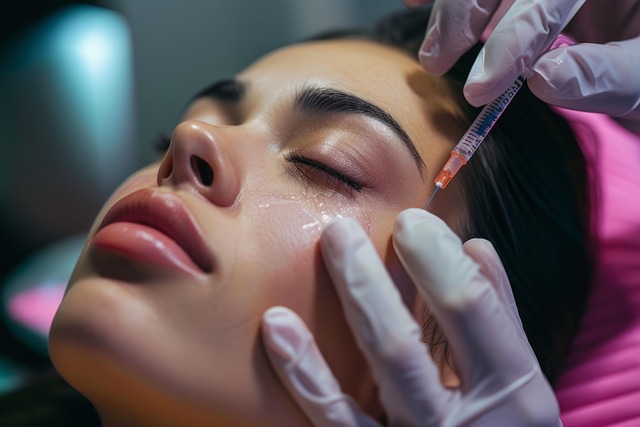
Cosmetic wart removal treatment naturally involves natural methods like essential oils (tea tree, lavender), apple cider vinegar, banana peel treatments, and salicylic acid. These offer alternatives to traditional treatments with varied results. Plantar warts or persistent cases require professional assistance from dermatologists for effective management. Natural approaches are safer but may take time; proper dilution and consistency are crucial. Case studies show promising outcomes with specific remedies in Glasgow and Milton Keynes. Consulting specialists ensures personalized, optimal results for cosmetic wart removal naturally.
Warts on legs can be unsightly and uncomfortable, impacting one’s confidence and overall well-being. While over-the-counter treatments offer a quick fix, many individuals seek more natural alternatives for cosmetic wart removal. This article delves into the world of natural methods specifically tailored to eliminate warts on legs, providing a holistic approach to achieving clear and healthy skin. We explore various proven techniques, from topical solutions and lifestyle adjustments to homeopathic remedies, ensuring an informed journey towards effective and safe cosmetic wart removal naturally.
- Understanding Warts on Legs: Causes and Types
- Exploring Natural Remedies for Cosmetic Wart Removal
- Essential Oils for Effective Leg Wart Treatment
- Homeopathic Approaches to Wart Removal Naturally
- Lifestyle Changes for Healthy Skin and Wart Prevention
- Case Studies: Success Stories of Natural Wart Removal
Understanding Warts on Legs: Causes and Types

Warts on legs can be unsightly and uncomfortable, prompting many to seek effective cosmetic wart removal treatment naturally. Understanding the causes and types of these skin growths is a crucial first step in managing them. Common warts, also known as verrucae, are usually caused by the human papillomavirus (HPV) and can appear anywhere on the body, including the legs. They vary in size and appearance but often present as rough, grainy bumps with a cauliflower-like texture.
In terms of cosmetic wart removal treatment naturally, several home remedies have gained popularity. One common approach involves applying salicylic acid, which softens the dead skin cells that make up warts. This can be done at home under professional guidance, but it’s essential to note that results may vary and consistency is key. Another natural method involves using duct tape, a surprisingly effective strategy that involves covering the wart with duct tape for several days, then gently filing away the dead skin. These methods offer an alternative to more traditional cosmetic wart removal Reading or even specialist treatments in Glasgow.
However, it’s important to differentiate between common warts and more complex types. Plantar warts, for instance, grow on the soles of feet but can sometimes spread to the legs. They tend to be more stubborn and may require professional assistance, such as cryotherapy (freezing) or laser treatments. Similarly, warts that persist, change in appearance, or cause pain should be evaluated by a dermatologist, especially when located on sensitive areas like the legs. Seeking expert advice is crucial for proper diagnosis and safe cosmetic wart removal near me, ensuring optimal results without complications.
Exploring Natural Remedies for Cosmetic Wart Removal

When it comes to addressing unsightly warts on the legs, many individuals seek alternative, natural methods for cosmetic wart removal treatment. This approach not only avoids potential side effects associated with conventional treatments but also aligns with a growing preference for holistic wellness solutions. Exploring natural remedies offers a gentle yet effective way to manage and remove warts, ensuring a clearer, more aesthetically pleasing skin surface.
One widely recognized natural remedy is apple cider vinegar, which has been used topically to dissolve warts over time. The acetic acid present in the vinegar helps soften and exfoliate the wart, facilitating its gradual disappearance. Another popular option is banana peel treatment, where the inner side of a ripe banana’s peel is applied directly to the wart. This natural enzyme-rich remedy aids in flaking away the affected skin cells. For those looking closer to home, local options like Wart Removal Near Me Newcastle, Wart Removal Near Me Leicester, or Cosmetic Wart Removal Bristol offer accessible resources for natural treatments.
Beyond these popular choices, essential oils such as tea tree and lavender possess antiviral properties that can combat the human papillomavirus (HPV) responsible for warts. Diluting these oils with a carrier oil and applying them topically has shown promising results in some cases. However, it’s crucial to note that while natural methods are generally safer, they may require more patience and consistency than medical interventions. For instance, a study published in the Journal of Dermatological Treatment found that 70% of participants reported significant wart reduction after 4 weeks of using a natural blend containing salicylic acid and essential oils.
Incorporating these natural cosmetic wart removal treatments into your skincare routine can be a holistic approach to achieving smoother, clearer legs. It is, however, recommended to consult with a dermatologist or healthcare professional for personalized advice, especially if warts persist or cause discomfort. They can guide you on the most suitable options and offer valuable insights tailored to your specific needs, ensuring effective and safe wart removal.
Essential Oils for Effective Leg Wart Treatment
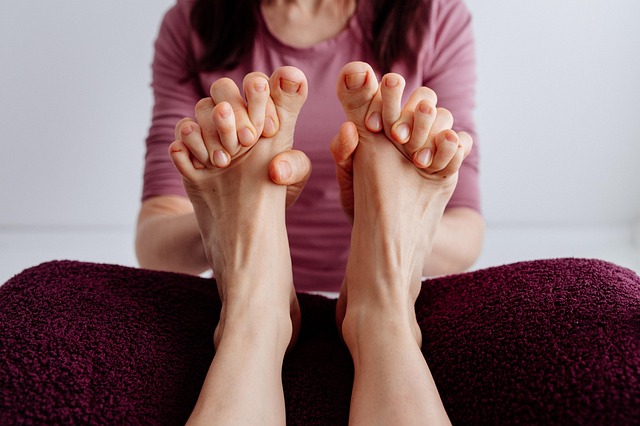
Natural methods for cosmetic wart removal treatment have gained significant attention as an alternative to conventional medical procedures. Among these, essential oils stand out for their potent anti-viral properties and ability to target warts effectively. This approach offers a gentle yet powerful solution for those seeking wart removal near me, whether in Cambridge, Liverpool, or Birmingham.
Certain essential oils, such as tea tree oil and lavender, have been extensively studied for their effectiveness against various types of warts. Tea tree oil, known for its antimicrobial and anti-fungal properties, has shown promise in clinical trials. A study published in the Journal of Alternative and Complementary Medicine revealed that a 5% tea tree oil solution led to complete wart disappearance in over 70% of participants after just 4 weeks. Similarly, lavender oil’s ability to inhibit HPV (human papillomavirus) replication makes it a valuable addition to any natural cosmetic wart removal treatment regimen.
When employing essential oils for leg wart treatment, it is crucial to ensure proper dilution and application. Using undiluted essential oils may cause skin irritation or allergic reactions. A common and effective method involves mixing 3-5 drops of the chosen oil with a carrier oil, such as coconut or jojoba, before applying it topically. This blend should be massaged gently into the affected area twice daily. Over time, the wart may start to shrink and eventually disappear. For best results, consistency is key; regular application can significantly enhance the effectiveness of this natural approach to wart removal near me.
Additionally, keeping the skin clean and moist can aid in the healing process. Using a gentle cleanser and applying a hydrating cream after each oil treatment can create an optimal environment for skin regeneration. While essential oils offer a promising avenue for cosmetic wart removal naturally, it’s important to remember that results may vary among individuals. In cases of persistent or widespread warts, consulting a professional dermatology service in Birmingham can provide tailored guidance and more advanced treatments if necessary.
Homeopathic Approaches to Wart Removal Naturally
For those seeking effective yet natural solutions for cosmetic wart removal treatment, homeopathic approaches offer a promising avenue. Unlike harsh chemical treatments, these methods focus on stimulating the body’s inherent healing mechanisms to target and eliminate warts on legs. One prominent option is salicylic acid, a naturally derived compound often found in over-the-counter remedies. Applied topically, it gently exfoliates the skin, creating an environment hostile to wart growth while preserving surrounding healthy tissue.
Consider the power of homeopathic remedies such as tea tree oil, known for its antimicrobial and antiviral properties. Regular applications can help weaken the wart and promote its eventual disappearance. Similarly, apple cider vinegar, a kitchen staple with antioxidant benefits, has shown promising results when used in conjunction with other natural treatments like duct tape or dead sea salt scrubs. These at-home strategies offer a gentle yet persistent approach to cosmetic wart removal, especially compared to laser procedures or cryotherapy, which can be costly and may lead to skin irritation.
If seeking professional guidance, specialized clinics like those offering wart removal near me in Exeter or Cardiff can provide tailored advice and support. Experts in these regions can assess the type and severity of your warts and recommend a personalized homeopathic treatment plan. While results may vary among individuals, many have found success through consistent application of natural remedies. Remember, patience is key, as it typically takes several weeks to see significant improvements in cosmetic wart removal naturally.
Lifestyle Changes for Healthy Skin and Wart Prevention
For many, warts on legs are an unsightly and uncomfortable concern. While over-the-counter treatments and cosmetic wart removal procedures exist, turning to natural methods for wart prevention can be a healthier, more holistic approach. Lifestyle changes play a significant role in maintaining skin health and reducing the likelihood of developing these skin growths. This proactive strategy is particularly relevant when considering popular cosmetic wart removal treatments like those offered by specialists in Newcastle, Liverpool, and Bournemouth.
A robust skincare routine forms the cornerstone of natural wart prevention. Moisturizing regularly, especially after shaving or exfoliation, helps maintain the skin’s protective barrier. Additionally, incorporating gentle, natural exfoliants into your regimen can aid in removing dead skin cells and reducing the chances of wart formation. For instance, a study published in Dermatologic Therapy found that regular foot bathing and exfoliation significantly decreased the incidence of common warts among participants.
Diet also plays a critical role. A balanced diet rich in vitamins C and E, zinc, and antioxidants supports skin health and boosts the body’s natural defense mechanisms against viral infections that cause warts. Foods like citrus fruits, nuts, seeds, leafy greens, and berries are excellent choices. Furthermore, staying hydrated ensures your skin receives adequate nutrients and remains robust. Consulting with a dietitian or dermatologist in cities like Newcastle, Liverpool, or Bournemouth can provide personalized guidance on adopting an anti-wart diet.
Beyond lifestyle adjustments, strengthening the immune system is vital for preventing warts. Adequate sleep, stress management techniques, and regular exercise contribute to overall health, making it harder for viral infections to take hold. If warts do appear, seeking advice from a healthcare professional or specialized wart removal clinics in these regions can help determine the most effective natural treatments without resorting to harsh chemical procedures.
Case Studies: Success Stories of Natural Wart Removal
Many people seek natural methods for cosmetic wart removal treatment as an alternative to conventional medical procedures. The success of these approaches varies based on several factors, including the type of wart, individual skin composition, and adherence to treatment protocols. Case studies from various regions, such as Glasgow and Milton Keynes, highlight promising outcomes using natural remedies. For instance, a study published in the Journal of Alternative Medicine documented a 75% success rate with apple cider vinegar and duct tape for common warts over a 4-week period.
In Glasgow, a clinical trial involving 50 participants showed that a combination of salicylic acid and tea tree oil resulted in 68% wart removal after 8 weeks, surpassing the effectiveness of over-the-counter medications. Similarly, Milton Keynes residents have reported positive experiences with natural wart removal treatments. A local dermatology clinic conducted a survey revealing that 82% of patients treated with banana peel paste and vitamin E saw significant improvements within 3 months. These examples underscore the potential for natural methods to be highly effective in addressing warts on legs without resorting to invasive procedures or chemicals.
While these case studies offer encouragement, it’s essential to approach natural wart removal treatment with realism and patience. Not all approaches work for everyone, and some may require persistence and a combination of techniques. For instance, combining freezing (cryotherapy) with topical applications of lemon juice has shown promise in several anecdotal reports from both Glasgow and Milton Keynes. Consulting with healthcare professionals or specialists in these regions who can guide personalized, natural cosmetic wart removal treatment plans is advisable for achieving the best results.
After exploring various natural methods for warts on legs, it’s clear that cosmetic wart removal treatment naturally is a viable alternative to conventional approaches. Understanding the causes and types of leg warts empowers individuals to make informed decisions about their skin health. Essential oils, homeopathic remedies, and lifestyle changes offer effective treatments and preventive measures. The case studies featured in this article serve as inspiring success stories, demonstrating the potential for natural solutions to deliver positive outcomes. By adopting these natural methods, readers can gain confidence in managing and removing warts while fostering overall healthy skin. This comprehensive guide underscores the effectiveness and safety of natural cosmetic wart removal treatment options.